WELCOME TO,

NATIONAL INSTITUTE OF SKILLING (NIS)


Email:[email protected], Toll Free Number:1800 571 4545

Peter Drucker,

Making good decisions is a crucial skill at every level.


Email:[email protected], Toll Free Number:1800 571 4545

John Ruskin,

When love and skill work together, expect a masterpiece.


Email:[email protected], Toll Free Number:1800 571 4545

Welcome to our website!
it's getting updated. . . . please visit us again


The National Institute of Skilling (NIS) was inaugurated on 24th July 2012 by the President of India designate Hon'ble Pranab Mukherjee with the mission of enhancing the skill set of the workforce in various sectors across the nation. This website provides a detailed overview of the aims, objectives, master plan, and a 20-year strategic roadmap to ensure the institute's optimum development and impact.
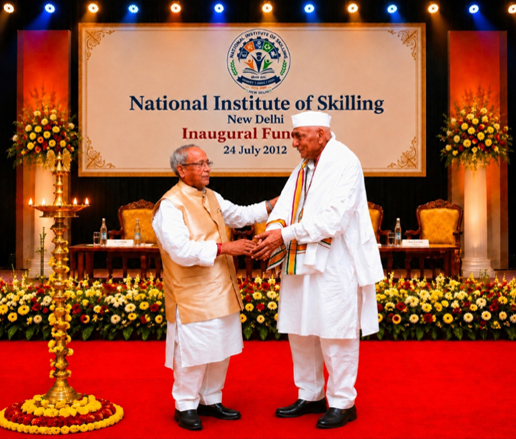

The President designate Hon'ble Pranab Mukherjjee congratulating the Founder President of the National Institute of Skilling (NIS), a Division of the World Institution Building Programme (WIBP) on 24th July 2012 at New Delhi


Aims
1. Empowerment through Education: Provide quality skill-based education to enhance employability.
2. Bridging the Skill Gap: Address the mismatch between industry requirements and available skills.
3. Promoting Lifelong Learning: Encourage continuous learning and upskilling to keep pace with technological advancements.
4. Inclusivity: Ensure skill development opportunities for all sections of society, including marginalized groups.
5. Industry Collaboration: Foster strong partnerships with industries to ensure relevant and updated skill training.

Objectives

1. Curriculum Development: Create and regularly update a comprehensive curriculum that aligns with industry standards.
2. Training Programmes: Offer a variety of training programmes across different sectors.
3. Certification: Provide nationally recognized certifications to validate skills.
4. Infrastructure Development: Develop state-of-the-art training facilities.
5. Research and Development: Conduct research to identify emerging skill needs.
6. Employment Linkages: Establish connections with employers for job placements.
7. Faculty Development: Train and retain highly qualified instructors.
8. Technology Integration: Incorporate the latest technology in training methodologies.
9. Quality Assurance: Implement robust systems for monitoring and evaluating training quality.
10. Outreach Programmes: Conduct awareness and outreach programmes to attract participants.

Master Plan

1. Infrastructure Expansion:
o Establish Training Centers in all major cities by 2030..
o Develop Regional Centers in Rural Areas by 2030.
o Construct specialized facilities for high-demand sectors.

2. Programme Diversification:
o Introduce new programmes in emerging fields such as AI, IoT, and renewable energy.
o Expand existing programmes to cover more industry verticals.

3. Faculty and Staff Development:
o Regular training and upskilling for Faculty.
o Recruit industry experts as Guest Lecturers.

4. Industry Partnerships:
o Formalize partnerships with leading Companies for internships and placements.
o Collaborate with International Organizations for knowledge exchange.

5. Technological Advancements:
o Implement e-learning platforms for remote skill training.
o Use simulation and virtual reality for hands-on training experiences.

6. Research and Innovation:
o Establish a dedicated R&D wing for skill gap analysis and curriculum development.
o Partner with academic institutions for collaborative research projects.

20-Year 100-Point Strategy (2012-2032)

Phase 1: Foundation

1. Establish the main campus and initial training centers.
2. Develop core training programmes and curriculum.
3. Launch awareness campaigns.
4. Recruit initial faculty and staff.
5. Formulate partnerships with key industries.
6. Secure initial funding and grants.
7. Develop certification and accreditation processes.
8. Start first batch of training programmes.
9. Conduct baseline skill gap analysis.
10. Implement quality assurance mechanisms.

Phase 2: Expansion

11. Establish training centers in all major cities.
12. Introduce online training modules.
13. Expand curriculum to include emerging technologies.
14. Develop specialized training facilities.
15. Launch faculty development programmes.
16. Formulate industry advisory councils.
17. Initiate international collaborations.
18. Conduct annual skill gap surveys.
19. Start mobile training units for rural outreach.
20. Develop a comprehensive alumni network.

Phase 3: Consolidation

21. Open regional centers in rural areas.
22. Expand programme offerings to cover more sectors.
23. Integrate advanced technology in training methods.
24. Strengthen quality assurance systems.
25. Launch a national skilling portal.
26. Establish a scholarship fund for underprivileged students.
27. Conduct large-scale job fairs.
28. Initiate skill competitions and hackathons.
29. Publish annual reports on skill development.
30. Formulate a national skilling policy.

Phase 4: Innovation

31. Set up a dedicated R&D wing.
32. Introduce courses on next-gen technologies.
33. Partner with global skilling organizations.
34. Develop customized training for different demographics.
35. Launch incubation centers for skill-based startups.
36. Promote lifelong learning programmes.
37. Implement AI-based training assessment tools.
38. Expand international student exchange programmes.
39. Introduce gamified learning modules.
40. Develop a comprehensive digital library.
41. Establish industry-sponsored labs.
42. Conduct nationwide skill contests.
43. Implement blockchain-based certification.
44. Promote green skilling initiatives.
45. Launch virtual reality-based training.
46. Develop a robust data analytics framework.
47. Form alliances with leading tech firms.
48. Conduct impact assessment studies.
49. Establish a center of excellence in each major sector.
50. Create a skilling think tank for policy recommendations.
Phase 5: Leadership and Legacy
51. Achieve global recognition for skilling excellence.
52. Expand training programmes internationally.
53. Establish NIS as a thought leader in skill development.
54. Develop a global skilling consortium.
55. Launch a NIS publication for skill research.
56. Achieve financial sustainability through diverse funding sources.
57. Organize international skilling conferences.
58. Develop a global alumni network.
59. Create a comprehensive skill development index.
60. Promote sustainable development goals through skilling.
61. Establish a virtual university for skills.
62. Launch a NIS TV channel for skilling content.
63. Develop an AI-driven career counseling system.
64. Promote inclusive skilling for differently-abled individuals.
65. Conduct global internships and training programmes.
66. Establish NIS as a UNESCO center for skill excellence.
67. Develop a model for public-private partnerships in skilling.
68. Expand R&D collaborations globally.
69. Achieve zero-carbon footprint for all NIS facilities.
70. Develop an emergency response skilling programme.
71. Promote arts and crafts through specialized training.
72. Launch a global skill development fund.
73. Develop smart campuses with IoT integration.
74. Establish a center for ethical hacking and cybersecurity.
75. Promote digital literacy for all age groups.
76. Develop training for sustainable agriculture practices.
77. Achieve top rankings in global skilling indices.
78. Establish an innovation and entrepreneurship center.
79. Create a global skilling app.
80. Promote cross-border skilling initiatives.
81. Develop an integrated skilling ecosystem.
82. Achieve a gender-balanced skilling participation.
83. Promote wellness and mental health training.
84. Establish a global skilling advisory board.
85. Develop a comprehensive skill mapping system.
86. Promote multilingual training programmes.
87. Achieve high employability rates for NIS graduates.
88. Develop skill-based curriculum for school education.
89. Promote volunteerism through skill-based community service.
90. Establish a skilling museum and archive.
91. Develop skilling programmes for disaster management.
92. Promote ethical practices in all training programmes.
93. Achieve 100% digital literacy for all NIS trainees.
94. Establish a global center for skill research.
95. Promote intergenerational learning programmes.
96. Develop skill-based solutions for global challenges.
97. Achieve high levels of trainee satisfaction.
98. Promote regional and cultural diversity in skilling.
99. Develop a comprehensive talent management system.
100. Ensure continuous innovation in skilling methodologies.


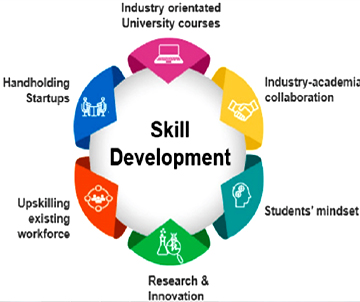
100-Point Strategy

The 100-Point Strategy focuses on sustainable development, innovation, education, and community engagement to foster long-term societal growth
read more

Youth Skills Decade

The Youth Skills Decade, spanning from 2024 to 2033, is an initiative aimed at equipping the global youth population

read more

sub-themes

Education lies at the heart of the Youth Skills Decade, serving as the cornerstone for youth empowerment and sustainable development

read more

The National Institute of Skilling is dedicated to transforming the landscape of skill development in the nation. With a clear vision, robust objectives, and a strategic roadmap, NIS aims to empower individuals with the skills necessary to thrive in a dynamic and competitive world. By fostering partnerships, embracing innovation, and ensuring inclusivity, NIS is poised to become a global leader in skill development.

WORLD YOUTH SKILLS DAY CELEBRATIONS 2024
15 JULY 2024, 2 PM, INDIA INTERNATIONAL CENTRE, NEW DELHI

Theme : Beginning the Youth Skills Decade: 2024 - 2033

Introduction

The Youth Skills Decade, spanning from 2024 to 2033, is an initiative aimed at equipping the global youth population with the skills necessary for thriving in a rapidly evolving world. This period is marked by unprecedented technological advancements, economic shifts, and societal changes, all of which demand a skilled and adaptable workforce. The decade emphasizes the critical importance of investing in youth skill development to ensure sustainable economic growth, social inclusion, and personal empowerment.

The Importance of Youth Skill Development

Economic Growth and Innovation

The global economy is increasingly knowledge-based and innovation-driven. As automation and artificial intelligence (AI) reshape industries, traditional job roles are being transformed or rendered obsolete. In this context, developing relevant skills in the youth is essential for fostering innovation and maintaining economic competitiveness. Skilled youth are better positioned to contribute to new industries, start their own businesses, and drive economic growth through entrepreneurial activities.

Social Inclusion and Equality

Skill development is a powerful tool for promoting social inclusion and reducing inequality. By providing equal access to education and training opportunities, societies can help marginalized and disadvantaged youth overcome barriers to employment and social participation. This contributes to more equitable societies where individuals have the means to improve their socioeconomic status, regardless of their background.

Personal Empowerment and Lifelong Learning

Equipping youth with a broad range of skills empowers them to navigate the complexities of the modern world. Beyond immediate employment opportunities, skills such as critical thinking, problem-solving, and digital literacy enable lifelong learning and adaptability. This personal empowerment fosters resilience, enabling individuals to cope with changes and seize new opportunities throughout their lives.

Key Areas of Focus for the Youth Skills Decade

1. Digital Literacy and Technological Proficiency

In the digital age, proficiency in technology is indispensable. The Youth Skills Decade prioritizes digital literacy, encompassing basic computer skills, internet navigation, and an understanding of digital tools and platforms. Advanced technological proficiency includes coding, data analysis, and familiarity with emerging technologies like AI, blockchain, and cybersecurity.

2. STEM (Science, Technology, Engineering, and Mathematics) Education

STEM education is crucial for preparing youth for high-demand careers in science and technology sectors. Emphasizing STEM subjects from an early age fosters analytical thinking, creativity, and problem-solving skills. Initiatives during the decade will focus on enhancing STEM curricula, improving teacher training, and providing hands-on learning experiences to inspire interest and proficiency in these fields.

3. Vocational and Technical Training

Not all youth will pursue traditional academic paths. Vocational and technical training programs offer practical skills that are directly applicable to various trades and industries. These programs will be expanded and modernized to align with current and future labor market needs. Apprenticeships, internships, and partnerships with industries will be integral to providing real-world experience and ensuring job readiness.

4. Soft Skills Development

While technical skills are vital, soft skills such as communication, teamwork, leadership, and emotional intelligence are equally important. The Youth Skills Decade will emphasize the integration of soft skills training into educational curricula and professional development programs. These skills enhance employability, facilitate workplace harmony, and contribute to overall personal development.

5. Entrepreneurship and Financial Literacy

Encouraging entrepreneurship is key to job creation and economic dynamism. Programs will focus on nurturing entrepreneurial mindsets, providing access to mentorship and resources, and teaching financial literacy. Understanding financial management, investment, and business operations will empower youth to launch and sustain successful enterprises.

Global Initiatives and Strategies

Collaborative Efforts and Partnerships

Addressing the diverse needs of youth globally requires collaborative efforts. Governments, educational institutions, private sector entities, and non-governmental organizations (NGOs) must work together to design and implement effective skill development programs. Public-private partnerships can leverage resources and expertise to create impactful initiatives.

Policy Reforms and Investments

Governments play a crucial role in shaping the Youth Skills Decade through policy reforms and investments. Policies should prioritize inclusive and equitable access to education and training, promote lifelong learning, and incentivize skill development initiatives. Adequate funding is necessary to support infrastructure, teacher training, and the development of innovative educational programs.

Technological Integration in Education

The integration of technology in education enhances learning experiences and accessibility. E-learning platforms, virtual classrooms, and digital resources can bridge gaps in traditional education systems. During the decade, efforts will be made to ensure that all youth, including those in remote and underserved areas, have access to quality digital learning tools and internet connectivity.

Gender Equality and Inclusion

Promoting gender equality and inclusion is a fundamental aspect of the Youth Skills Decade. Initiatives will focus on breaking down gender stereotypes, encouraging girls and young women to pursue careers in STEM and other traditionally male-dominated fields, and addressing barriers that hinder their participation in skill development programs.

Regional Perspectives and Challenges

Africa

Africa's youthful population presents both opportunities and challenges. Rapid population growth necessitates the creation of millions of jobs annually. Skill development initiatives will focus on sectors with high growth potential, such as agriculture, technology, and renewable energy. Overcoming challenges like inadequate infrastructure, political instability, and limited access to education will require concerted efforts and innovative solutions.

Asia

Asia, with its diverse economies and large youth population, will prioritize skills aligned with its economic transitions. Countries like India and China will focus on high-tech and manufacturing sectors, while Southeast Asian nations may emphasize tourism and services. Addressing regional disparities, enhancing vocational training, and ensuring digital literacy will be key strategies.

Europe

Europe faces the dual challenge of an aging population and youth unemployment in certain regions. The Youth Skills Decade will focus on reskilling and upskilling to meet the demands of a digital and green economy. Programs will emphasize STEM education, apprenticeships, and promoting mobility and lifelong learning across the continent.

Latin America

Latin America's youth encounter challenges such as economic instability and social inequality. Initiatives will target improving educational quality, expanding vocational training, and fostering entrepreneurship. Addressing issues like violence, migration, and limited access to technology will be crucial for successful skill development.

Middle East

The Middle East's youth bulge necessitates urgent action to prevent unemployment and social unrest. Skill development programs will focus on diversifying economies beyond oil dependency, promoting digital skills, and fostering innovation. Addressing cultural norms and gender disparities will be essential for inclusive growth.

Success Stories and Best Practices

Finland: Excellence in Education

Finland's education system is renowned for its focus on holistic development and innovative teaching methods. Emphasizing creativity, critical thinking, and collaborative learning, Finland's approach prepares youth for a rapidly changing world. The Youth Skills Decade will draw inspiration from Finland's best practices in integrating soft skills and technology in education.

Germany: Dual Education System

Germany's dual education system, which combines classroom learning with hands-on vocational training, is a model for effective skill development. Apprenticeships and partnerships with industries ensure that students acquire relevant skills and experience. This system will be adapted and implemented in various regions during the Youth Skills Decade.

Singapore: Lifelong Learning and Reskilling

Singapore's SkillsFuture initiative promotes lifelong learning and continuous skill development. Offering credits and incentives for individuals to pursue further education and training, SkillsFuture ensures that the workforce remains adaptable and future-ready. Similar programs will be encouraged globally to foster a culture of lifelong learning.

Measuring Progress and Impact

Key Performance Indicators (KPIs)

Measuring the success of the Youth Skills Decade requires clear and measurable KPIs. These may include:

# Enrollment and Graduation Rates: Tracking the number of youth enrolling in and completing skill development programs.
# Employment Rates: Monitoring the employment outcomes of program graduates.
# Skill Proficiency Levels: Assessing the proficiency levels of youth in key skill areas.
# Inclusivity Metrics: Evaluating the participation rates of marginalized and disadvantaged groups.
# Entrepreneurial Activity: Measuring the number of startups and entrepreneurial ventures initiated by youth.

Monitoring and Evaluation

Regular monitoring and evaluation are essential for ensuring the effectiveness of skill development initiatives. Independent assessments, feedback mechanisms, and data-driven decision-making will guide continuous improvement. Transparency and accountability will be maintained through public reporting of progress and outcomes.

Adapting to Changing Needs

The dynamic nature of the global economy necessitates flexibility in skill development programs. Continuous review and adaptation of curricula, training methods, and policy frameworks will ensure that initiatives remain relevant and responsive to emerging trends and challenges.

The Youth Skills Decade: 2024 - 2033 represents a transformative period for global youth. By prioritizing skill development, societies can harness the potential of their youth populations, drive economic growth, and promote social inclusion. This decade calls for collective action, innovative solutions, and unwavering commitment to equipping youth with the skills needed to navigate an ever-changing world. Through collaborative efforts and strategic investments, we can ensure that the youth of today are prepared to become the leaders, innovators, and change-makers of tomorrow.

Context and Global Challenges

As we enter the third decade of the 21st century, the global landscape is shaped by rapid technological advancements, economic shifts, environmental concerns, and social transformations. These dynamics pose both opportunities and challenges for young people, who must navigate a complex world characterized by digital disruption, automation, and globalization. Moreover, issues such as youth unemployment, skills mismatches, and disparities in access to quality education underscore the urgent need for targeted interventions to empower youth and harness their potential.

Objectives of the Youth Skills Decade

The primary objective of the Youth Skills Decade is to foster the development of comprehensive skill sets among young people that are essential for personal growth, economic participation, and societal contribution. Key objectives include:

1. Enhancing Educational Quality and Access: Reforming education systems to ensure they are inclusive, equitable, and responsive to the needs of a rapidly changing world.
2. Promoting Vocational Training and Technical Education: Providing youth with practical skills and competencies that align with labor market demands and foster employability.
3. Advancing Digital Literacy: Equipping youth with essential digital skills to thrive in the digital economy and participate fully in the digital society.
4. Fostering Entrepreneurship and Innovation: Cultivating entrepreneurial mindsets among youth, promoting creativity, innovation, and enterprise development.
5. Ensuring Inclusivity and Equity: Removing barriers to education and skills development, particularly for marginalized and vulnerable youth populations.
6. Strengthening Global Collaboration: Facilitating international cooperation and partnerships to scale up youth development efforts and share best practices.

Educational Reform and Skill Development

Holistic Learning Approaches

Education lies at the heart of the Youth Skills Decade, serving as the cornerstone for youth empowerment and sustainable development. Central to educational reform efforts is the adoption of holistic learning approaches that go beyond traditional academic subjects to encompass essential life skills, critical thinking, problem-solving abilities, and socio-emotional competencies. These competencies are crucial for preparing youth to navigate complex challenges and seize opportunities in an interconnected world.

Curriculum Adaptation and Flexibility

To meet the diverse needs of youth and align with evolving labor market demands, educational systems are encouraged to adapt their curricula and teaching methodologies. Emphasis is placed on integrating practical skills training, career guidance, and work-based learning experiences into formal education settings. By promoting flexibility and relevance in educational content, the Youth Skills Decade aims to bridge the gap between education and employment, ensuring that youth are adequately prepared for the realities of the workplace.

Vocational Training and Technical Education

In parallel with academic education, vocational training and technical education (TVET) play a critical role in equipping youth with specialized skills that are essential for various industries and sectors. TVET programs emphasize hands-on learning, industry-relevant certifications, and apprenticeships that provide practical experience and enhance employability. By expanding access to high-quality TVET opportunities, the Youth Skills Decade seeks to empower youth with pathways to sustainable livelihoods and economic independence.

Digital Literacy and Technological Integration

Importance of Digital Skills

In the digital age, proficiency in digital literacy is indispensable for youth to effectively navigate and participate in modern society and the global economy. Digital skills encompass a range of competencies, including basic digital literacy, information literacy, computational thinking, and cybersecurity awareness. These skills enable youth to leverage digital technologies for learning, communication, innovation, and entrepreneurship, thereby enhancing their competitiveness in the digital labor market.

Integration of Emerging Technologies

The Youth Skills Decade promotes the integration of emerging technologies such as artificial intelligence (AI), blockchain, Internet of Things (IoT), and augmented reality (AR) into educational curricula and skill development initiatives. By familiarizing youth with these technologies and their applications, educational institutions and training providers prepare them to harness technological innovations for societal benefit and economic growth. Hands-on experiences with emerging technologies also cultivate creativity, problem-solving skills, and a spirit of innovation among youth.

Entrepreneurial Empowerment and Innovation

Role of Youth Entrepreneurship

Youth entrepreneurship is recognized as a powerful driver of economic growth, job creation, and social innovation. The Youth Skills Decade encourages young people to cultivate entrepreneurial mindsets characterized by creativity, resilience, and a willingness to take calculated risks. Entrepreneurial education and training programs equip youth with the knowledge, skills, and resources needed to launch and sustain successful ventures, whether in traditional industries or emerging sectors.

Support Ecosystem for Entrepreneurs

To nurture entrepreneurial talent, supportive ecosystems are essential, comprising incubators, accelerators, mentorship networks, access to finance, and regulatory frameworks conducive to business startup and growth. These ecosystems provide aspiring young entrepreneurs with practical guidance, networking opportunities, and financial support to develop and scale their ventures. By fostering a culture of innovation and entrepreneurship, the Youth Skills Decade empowers youth to contribute to economic development, job creation, and community resilience.

Inclusivity and Diversity

Addressing Barriers to Access

Inclusivity lies at the core of the Youth Skills Decade, aiming to ensure that all young people, regardless of gender, ethnicity, socio-economic status, disability, or geographic location, have equal opportunities to access quality education and skills development. Efforts are focused on identifying and addressing barriers to access, including lack of infrastructure, cultural biases, discrimination, and socio-economic inequalities that hinder youth from realizing their full potential.

Empowerment of Marginalized Groups

Special attention is given to marginalized and vulnerable youth populations who face multiple barriers to education, employment, and social inclusion. Targeted interventions seek to empower these groups through tailored educational programs, skills training initiatives, and support services that address their specific needs and challenges. By promoting inclusive policies and practices, the Youth Skills Decade aims to harness the talents and contributions of all youth, fostering a more equitable and sustainable future for societies worldwide.

Global Collaboration and Policy Frameworks

Importance of International Cooperation

The success of the Youth Skills Decade hinges on effective global collaboration and partnerships among governments, international organizations, civil society, private sector entities, and youth-led organizations. Collaborative efforts facilitate the exchange of knowledge, best practices, and innovative approaches to youth development, enhancing the scalability and impact of interventions. Multilateral platforms and initiatives promote joint advocacy, resource mobilization, and policy coherence in support of youth empowerment goals.

Policy Frameworks and Strategic Investments

At the national level, policy frameworks play a crucial role in prioritizing youth development, aligning educational reforms, vocational training initiatives, and youth employment strategies with broader socio-economic objectives. Strategic investments in youth education, skills development, and entrepreneurship are essential to create enabling environments that empower youth and unlock their potential as agents of change and sustainable development. By embedding youth priorities into national development agendas, governments can foster inclusive growth, social cohesion, and resilient communities.

Monitoring and Evaluation

Ensuring Accountability and Impact

Effective monitoring and evaluation (M&E) mechanisms are integral to the Youth Skills Decade, providing stakeholders with insights into the progress, outcomes, and impact of youth development initiatives. Key performance indicators (KPIs) measure advancements in skill acquisition, educational attainment, employment rates, entrepreneurial activities, and socio-economic empowerment among youth populations. Regular M&E processes enable adaptive management, informed decision-making, and continuous improvement of policies and programs to better meet the evolving needs of youth.

Stakeholder Engagement and Feedback

Stakeholder engagement, including youth participation, is essential for ensuring the relevance, inclusivity, and effectiveness of youth development efforts under the Youth Skills Decade. Consultations with youth representatives, civil society organizations, academia, private sector entities, and international partners facilitate dialogue, collaboration, and co-creation of solutions that address youth priorities and aspirations. By actively involving stakeholders in policy design, implementation, and evaluation, the Youth Skills Decade promotes ownership, transparency, and accountability in advancing youth-centered agendas.

The Youth Skills Decade from 2024 to 2033 represents a transformative commitment to investing in the future of young people worldwide. By prioritizing education, vocational training, digital literacy, entrepreneurship, inclusivity, and global collaboration, this initiative aims to equip youth with the skills, knowledge, and opportunities needed to thrive in a rapidly changing world. As we embark on this journey, it is imperative to harness the collective efforts of governments, international organizations, civil society, and the private sector to ensure that youth are empowered to contribute meaningfully to sustainable development, economic prosperity, and social equity. Through strategic investments, innovative approaches, and inclusive policies, we can unlock the full potential of youth as drivers of positive change and champions of a more prosperous and resilient global society.

SUB-THEME 1 : PREPARING FOR THE YOUTH SKILLS DECADE 2024-2033

The Youth Skills Decade, spanning from 2024 to 2033, represents a critical period for global youth empowerment and development. This initiative seeks to equip young people with the essential skills, knowledge, and opportunities necessary to navigate and thrive in an increasingly interconnected and fast-paced world. By focusing on education reform, vocational training, digital literacy, entrepreneurial empowerment, inclusivity, and global collaboration, the Youth Skills Decade aims to prepare youth to address current challenges and capitalize on future opportunities.

Context and Global Imperatives

As we enter the third decade of the 21st century, the world faces unprecedented challenges and transformations. Rapid technological advancements, economic shifts, demographic changes, environmental concerns, and social disruptions underscore the need for comprehensive strategies to empower youth. Issues such as youth unemployment, skills mismatches, digital divides, and socio-economic inequalities highlight the urgency of investing in youth development to unlock their potential as drivers of sustainable development and innovation.

Vision and Objectives of the Youth Skills Decade

The vision of the Youth Skills Decade is to empower young people globally through strategic investments in education, skills development, and entrepreneurship. Key objectives include:

1. Enhancing Educational Quality and Access: Reforming educational systems to provide equitable access to quality education and ensure that curricula are relevant to the needs of a rapidly changing world.
2. Promoting Vocational Training and Technical Education: Expanding opportunities for vocational training and technical education (TVET) to equip youth with practical skills that enhance employability and entrepreneurship.
3. Advancing Digital Literacy: Strengthening digital literacy among youth to foster their participation in the digital economy and society, including skills in information technology, digital communication, and cybersecurity.
4. Fostering Entrepreneurial Mindsets: Cultivating entrepreneurial skills and mindsets among youth to encourage innovation, job creation, and economic growth.
5. Ensuring Inclusivity and Equity: Addressing barriers to education and skills development, particularly for marginalized and vulnerable youth populations, to promote inclusive growth and social cohesion.
6. Strengthening Global Collaboration: Facilitating international cooperation and partnerships to scale up youth development efforts, share best practices, and advocate for youth-centered policies and investments.

Education Reform and Skill Development

Holistic Education Approaches

Education serves as the foundation for youth development within the Youth Skills Decade framework, emphasizing holistic learning approaches that go beyond academic achievement to encompass life skills, critical thinking, creativity, and socio-emotional competencies. Reforms aim to modernize curricula, integrate interdisciplinary learning, and promote experiential learning opportunities that prepare youth for diverse career pathways and lifelong learning.

Flexible and Responsive Curricula

To address evolving labor market demands and technological advancements, educational systems are encouraged to adopt flexible and responsive curricula. This includes incorporating STEM (Science, Technology, Engineering, Mathematics) education, digital literacy, environmental sustainability, and global citizenship into core subjects. Emphasis is placed on project-based learning, career guidance, and internships to bridge the gap between education and employment, ensuring that youth acquire relevant skills and competencies for future success.

Vocational Training and Technical Education (TVET)

TVET plays a pivotal role in equipping youth with specialized skills and qualifications that are essential for various industries and sectors. The Youth Skills Decade promotes the expansion of TVET programs that offer practical training, industry certifications, and apprenticeships to enhance youth employability and entrepreneurship. Partnerships with employers, industry associations, and vocational training providers facilitate the development of demand-driven curricula and ensure that TVET graduates meet industry standards and workforce needs.

Digital Literacy and Technological Integration

Importance of Digital Skills

In an increasingly digitalized world, digital literacy is essential for youth to access information, communicate effectively, and participate in the global economy. Digital skills encompass basic competencies such as navigating digital devices and platforms, as well as advanced skills in coding, data analytics, artificial intelligence (AI), and cybersecurity. The Youth Skills Decade promotes comprehensive digital literacy initiatives that empower youth to harness digital technologies for learning, innovation, and economic empowerment.

Integration of Emerging Technologies

The Youth Skills Decade advocates for the integration of emerging technologies into educational curricula and skill development programs. This includes AI, blockchain, IoT (Internet of Things), augmented reality (AR), and virtual reality (VR), which offer opportunities for experiential learning and creative problem-solving. Hands-on experiences with emerging technologies prepare youth to adapt to technological advancements and contribute to digital innovation in diverse sectors, from healthcare and agriculture to finance and manufacturing.

Entrepreneurial Empowerment and Innovation

Role of Youth Entrepreneurship

Youth entrepreneurship is recognized as a catalyst for economic growth, job creation, and social innovation. The Youth Skills Decade encourages young people to cultivate entrepreneurial mindsets characterized by creativity, resilience, and a willingness to take calculated risks. Entrepreneurship education programs equip youth with practical skills in business planning, market research, financial management, and digital marketing, enabling them to start and scale innovative ventures that address societal challenges and market demands.

Support Ecosystem for Entrepreneurs

To support youth entrepreneurship, comprehensive support ecosystems are essential, including business incubators, accelerators, mentorship programs, access to finance, and regulatory frameworks that facilitate business startup and growth. These ecosystems provide aspiring entrepreneurs with guidance, networking opportunities, funding options, and access to markets, empowering them to transform innovative ideas into sustainable enterprises. By fostering an enabling environment for entrepreneurship, the Youth Skills Decade aims to unleash the entrepreneurial potential of youth and drive inclusive economic development.

Inclusivity and Diversity

Addressing Barriers to Access

Inclusivity is a cornerstone of the Youth Skills Decade, aiming to ensure that all young people, regardless of gender, ethnicity, socio-economic background, disability, or geographic location, have equal opportunities to access quality education and skills development. Efforts focus on eliminating barriers such as discrimination, cultural biases, inadequate infrastructure, and financial constraints that hinder youth from realizing their full potential. Inclusive policies and programs promote diversity, equity, and social justice, creating pathways for marginalized and vulnerable youth to participate meaningfully in society and contribute to sustainable development.

Empowerment of Marginalized Groups

Special attention is given to marginalized and vulnerable youth populations who face systemic barriers to education, employment, and social inclusion. Targeted interventions include scholarships, skills training initiatives, mentorship programs, and support services tailored to the specific needs and aspirations of disadvantaged youth. By empowering marginalized groups, the Youth Skills Decade aims to reduce inequalities, promote social mobility, and create opportunities for inclusive growth that benefit entire communities and societies.

Global Collaboration and Policy Frameworks

Importance of International Cooperation

The success of the Youth Skills Decade depends on effective global collaboration and partnerships among governments, international organizations, civil society, private sector entities, and youth-led organizations. Collaborative efforts facilitate knowledge sharing, capacity building, and resource mobilization to scale up youth development initiatives and address shared challenges on a global scale. Multilateral platforms and initiatives promote joint advocacy for youth-centered policies, investments in education and skills development, and the adoption of innovative approaches to empower youth as agents of change and sustainable development.

Policy Frameworks and Strategic Investments

At the national and regional levels, policy frameworks play a crucial role in prioritizing youth development and aligning educational reforms, vocational training initiatives, and youth employment strategies with broader socio-economic objectives. Strategic investments in youth education, skills development, and entrepreneurship are essential to create enabling environments that foster innovation, economic resilience, and social cohesion. By integrating youth priorities into national development agendas, governments can accelerate progress towards achieving the Sustainable Development Goals (SDGs) and building inclusive societies that leave no young person behind.

Monitoring and Evaluation

Ensuring Accountability and Impact

Effective monitoring and evaluation (M&E) mechanisms are integral to the Youth Skills Decade, providing stakeholders with evidence-based insights into the progress, outcomes, and impact of youth development interventions. Key performance indicators (KPIs) measure advancements in skill acquisition, educational attainment, employment rates, entrepreneurial activities, and socio-economic empowerment among youth populations. Regular M&E processes enable stakeholders to track results, identify best practices, and make informed decisions to enhance the effectiveness and sustainability of youth-centered initiatives.

Stakeholder Engagement and Youth Participation

Stakeholder engagement, including meaningful participation of youth themselves, is essential for ensuring the relevance, inclusivity, and sustainability of youth development efforts under the Youth Skills Decade. Consultations with youth representatives, civil society organizations, academia, private sector entities, and international partners facilitate dialogue, collaboration, and co-creation of solutions that address youth priorities and aspirations. By actively involving stakeholders in policy design, implementation, and evaluation, the Youth Skills Decade promotes ownership, transparency, and accountability in advancing youth-centered agendas and driving positive change in communities worldwide.

The Youth Skills Decade from 2024 to 2033 represents a transformative commitment to investing in the future of young people worldwide. By prioritizing education, skills development, entrepreneurship, inclusivity, and global collaboration, this initiative aims to equip youth with the tools, knowledge, and opportunities needed to thrive in an increasingly interconnected and competitive world. As we prepare for the challenges and opportunities ahead, it is imperative to harness the collective efforts of governments, international organizations, civil society, and the private sector to ensure that every young person has the chance to reach their full potential and contribute meaningfully to sustainable development and shared prosperity. Through strategic investments, innovative approaches, and inclusive policies, we can build a brighter future where youth are empowered as leaders, innovators, and change agents, driving progress towards a more resilient, equitable, and sustainable global society.

SUB-THEME 2 : IMPLICATIONS OF THE YOUTH SKILLS DECADE 2024 - 2033

The Youth Skills Decade, spanning from 2024 to 2033, represents a pivotal period in global efforts to empower young people with the skills, knowledge, and opportunities necessary to navigate and shape the future. This initiative aims to address pressing challenges such as youth unemployment, skills mismatches, digital divides, and socio-economic inequalities by focusing on education reform, vocational training, digital literacy, entrepreneurial empowerment, inclusivity, and global collaboration. As we embark on this transformative journey, it is crucial to examine the implications of the Youth Skills Decade across various dimensions of youth development and its impact on sustainable global progress.

Context and Global Imperatives

The context in which the Youth Skills Decade unfolds is characterized by rapid technological advancements, economic transformations, demographic shifts, environmental concerns, and social disruptions. These dynamics underscore the urgent need for comprehensive strategies to equip youth with adaptable skills that enable them to thrive amidst uncertainty and seize opportunities in a globalized economy. Issues such as the Fourth Industrial Revolution, automation, climate change, and demographic transitions pose both challenges and opportunities for youth development, necessitating proactive measures to harness the potential of young people as agents of positive change and innovation.

Vision and Objectives of the Youth Skills Decade

The vision of the Youth Skills Decade is anchored in empowering youth globally through strategic investments in education, skills development, and entrepreneurship. Key objectives include:

1. Enhancing Educational Quality and Access: Reforming educational systems to ensure equitable access to quality education and fostering environments that promote lifelong learning, critical thinking, creativity, and socio-emotional competencies.
2. Promoting Vocational Training and Technical Education: Expanding opportunities for vocational training that equips youth with practical skills aligned with labor market demands and pathways to sustainable livelihoods.
3. Advancing Digital Literacy: Strengthening digital literacy among youth to enhance their participation in the digital economy, including skills in digital communication, information technology, cybersecurity, and emerging technologies.
4. Fostering Entrepreneurial Mindsets: Cultivating entrepreneurial skills and mindsets to encourage innovation, job creation, and economic resilience among young people.
5. Ensuring Inclusivity and Equity: Addressing barriers to education and skills development for marginalized and vulnerable youth populations, promoting social inclusion, and reducing inequalities.
6. Strengthening Global Collaboration: Facilitating international cooperation and partnerships to scale up youth development efforts, share best practices, and advocate for youth-centered policies and investments.

Education Reform and Skill Development

Holistic Education Approaches

Education serves as the cornerstone of the Youth Skills Decade, emphasizing holistic learning approaches that prepare youth for diverse career pathways and lifelong learning. Reforms aim to modernize curricula, integrate STEM education (Science, Technology, Engineering, Mathematics), promote interdisciplinary learning, and incorporate critical life skills such as problem-solving, communication, teamwork, and resilience. By fostering a culture of learning and innovation, educational systems can better equip youth to adapt to technological advancements, economic changes, and societal transformations.

Flexible and Responsive Curricula

To meet evolving labor market demands and technological advancements, educational systems are encouraged to adopt flexible and responsive curricula. This includes integrating digital literacy, environmental sustainability, global citizenship, and entrepreneurship education into core subjects. Emphasis is placed on experiential learning, project-based assignments, internships, and industry partnerships that bridge the gap between theory and practice. By providing youth with practical skills and competencies, educational institutions can enhance their employability, entrepreneurial potential, and capacity to contribute meaningfully to society.

Vocational Training and Technical Education (TVET)

TVET plays a crucial role in equipping youth with specialized skills and certifications that are essential for various industries and sectors. The Youth Skills Decade advocates for the expansion of TVET programs that offer practical training, apprenticeships, and industry certifications to enhance youth employability and entrepreneurship. Partnerships with employers, industry associations, and vocational training providers facilitate the development of demand-driven curricula and ensure that TVET graduates possess the skills needed to succeed in the workforce. By promoting TVET as a viable pathway to sustainable livelihoods, the Youth Skills Decade empowers youth to pursue rewarding careers and contribute to economic development.

Digital Literacy and Technological Integration

Importance of Digital Skills

Digital literacy is a cornerstone of the Youth Skills Decade, equipping youth with the knowledge and skills to navigate the digital landscape, harness technology for learning and innovation, and participate fully in the digital economy. Digital skills encompass basic competencies such as using digital devices and applications, as well as advanced skills in coding, data analysis, cybersecurity, and emerging technologies such as AI (Artificial Intelligence) and IoT (Internet of Things). By enhancing digital literacy among youth, the Youth Skills Decade prepares them to thrive in a technology-driven world and leverage digital tools to address global challenges and drive economic growth.

Integration of Emerging Technologies

The Youth Skills Decade promotes the integration of emerging technologies into educational curricula and skill development programs. This includes AI, blockchain, AR (Augmented Reality), VR (Virtual Reality), and robotics, which offer opportunities for experiential learning, creative problem-solving, and innovation. Hands-on experiences with emerging technologies enable youth to develop critical thinking, adaptability, and technical expertise, positioning them as future leaders and innovators in their respective fields. By fostering a culture of technological innovation, educational institutions and training providers empower youth to explore new possibilities, create transformative solutions, and contribute to sustainable development.

Entrepreneurial Empowerment and Innovation

Role of Youth Entrepreneurship

Youth entrepreneurship is a catalyst for economic growth, job creation, and social innovation, making it a central focus of the Youth Skills Decade. Entrepreneurship education programs equip youth with practical skills in business planning, market research, financial management, and digital marketing, enabling them to launch and sustain innovative ventures. By fostering entrepreneurial mindsets characterized by creativity, resilience, and adaptability, the Youth Skills Decade empowers youth to address societal challenges, seize economic opportunities, and contribute to inclusive development.

Support Ecosystem for Entrepreneurs

To support youth entrepreneurship, comprehensive support ecosystems are essential, including business incubators, accelerators, mentorship programs, access to finance, and regulatory frameworks conducive to business startup and growth. These ecosystems provide aspiring entrepreneurs with guidance, networking opportunities, funding options, and access to markets, enabling them to translate innovative ideas into viable enterprises. By nurturing a supportive environment for entrepreneurship, the Youth Skills Decade cultivates a new generation of business leaders and change agents who drive economic innovation, job creation, and community development.

Inclusivity and Diversity

Addressing Barriers to Access

Inclusivity and equity are fundamental principles of the Youth Skills Decade, aiming to ensure that all young people, regardless of gender, ethnicity, socio-economic status, disability, or geographic location, have equal opportunities to access quality education and skills development. Efforts focus on eliminating barriers such as discrimination, cultural biases, inadequate infrastructure, and financial constraints that hinder youth from realizing their full potential. Inclusive policies and programs promote diversity, equity, and social justice, creating pathways for marginalized and vulnerable youth to participate actively in society, contribute to economic growth, and achieve personal fulfillment.

Empowerment of Marginalized Groups

Special attention is given to marginalized and vulnerable youth populations who face systemic barriers to education, employment, and social inclusion. Targeted interventions include scholarships, skills training initiatives, mentorship programs, and support services tailored to the specific needs and aspirations of disadvantaged youth. By empowering marginalized groups, the Youth Skills Decade promotes social mobility, reduces inequalities, and fosters inclusive growth that benefits entire communities and societies. By promoting diversity and inclusion, the Youth Skills Decade strengthens social cohesion, builds resilience against economic shocks, and enhances the overall well-being of societies.

Global Collaboration and Policy Frameworks

Importance of International Cooperation

The success of the Youth Skills Decade hinges on effective global collaboration and partnerships among governments, international organizations, civil society, private sector entities, and youth-led organizations. Collaborative efforts facilitate knowledge sharing, capacity building, and resource mobilization to scale up youth development initiatives and address shared challenges on a global scale. Multilateral platforms and initiatives promote joint advocacy for youth-centered policies, investments in education and skills development, and the adoption of innovative approaches to empower youth as agents of change and sustainable development.

Policy Frameworks and Strategic Investments

At the national and regional levels, policy frameworks play a crucial role in prioritizing youth development and aligning educational reforms, vocational training initiatives, and youth employment strategies with broader socio-economic objectives. Strategic investments in youth education, skills development, and entrepreneurship are essential to create enabling environments that foster innovation, economic resilience, and social cohesion. By integrating youth priorities into national development agendas, governments can accelerate progress towards achieving the Sustainable Development Goals (SDGs) and building inclusive societies that leave no young person behind.

Monitoring and Evaluation

Ensuring Accountability and Impact

Effective monitoring and evaluation (M&E) mechanisms are integral to the Youth Skills Decade, providing stakeholders with evidence-based insights into the progress, outcomes, and impact of youth development interventions. Key performance indicators (KPIs) measure advancements in skill acquisition, educational attainment, employment rates, entrepreneurial activities, and socio-economic empowerment among youth populations. Regular M&E processes enable stakeholders to track results, identify best practices, and make informed decisions to enhance the effectiveness and sustainability of youth-centered initiatives.

Stakeholder Engagement and Youth Participation

Stakeholder engagement, including meaningful participation of youth themselves, is essential for ensuring the relevance, inclusivity, and sustainability of youth development efforts under the Youth Skills Decade. Consultations with youth representatives, civil society organizations, academia, private sector entities, and international partners facilitate dialogue, collaboration, and co-creation of solutions that address youth priorities and aspirations. By actively involving stakeholders in policy design, implementation, and evaluation, the Youth Skills Decade promotes ownership, transparency, and accountability in advancing youth-centered agendas and driving positive change in communities worldwide.

The Youth Skills Decade 2024 - 2033 represents a transformative commitment to investing in the future of young people worldwide. By prioritizing education, skills development, entrepreneurship, inclusivity, and global collaboration, this initiative aims to equip youth with the tools, knowledge, and opportunities needed to thrive in an increasingly interconnected and competitive world. As we navigate the complexities of the 21st century, it is imperative to harness the collective efforts of governments, international organizations, civil society, and the private sector to ensure that every young person has the chance to reach their full potential and contribute meaningfully to sustainable development and shared prosperity. Through strategic investments, innovative approaches, and inclusive policies, we can build a brighter future where youth are empowered as leaders, innovators, and change agents, driving progress towards a more resilient, equitable, and sustainable global society.

Sub-themes

Skill development is a powerful tool for promoting social inclusion and reducing inequality.

By providing equal access to education and training opportunities, societies can help marginalized and disadvantaged youth overcome barriers to employment and social participation. By focusing on education reform, vocational training, digital literacy, entrepreneurial empowerment, inclusivity, and global collaboration, the Youth Skills Decade aims to prepare youth to address current challenges and capitalize on future opportunities

read more

The Youth Skills Decade, spanning from 2024 to 2033, represents a pivotal period in global efforts to empower young people with the skills, knowledge, and opportunities necessary to navigate and shape the future.

As we embark on this transformative journey, it is crucial to examine the implications of the Youth Skills Decade across various dimensions of youth development and its impact on sustainable global progress.

read more